

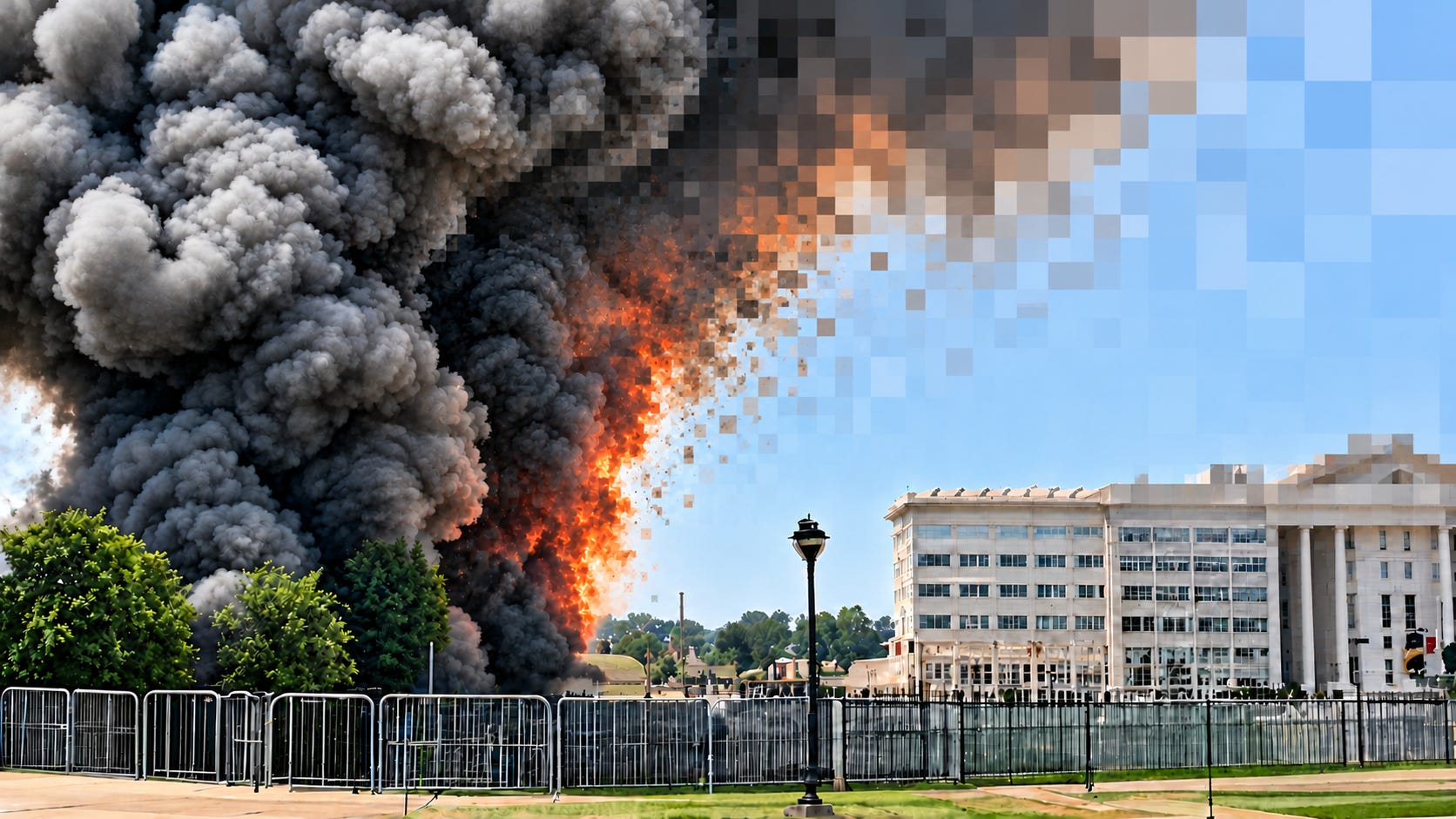
In May 2023, an image of an enormous explosion outside the Pentagon began circulating online, and as a column of black smoke appeared to rise beside the headquarters of the most powerful military on earth, the image itself rapidly spread through social media accounts, including ones masquerading as legitimate news sources. People panicked. Financial markets took a dive. But there was just one problem. The explosion never happened. The photograph was a fake, apparently generated by artificial intelligence. Since then, we’ve seen AI-generated pornography depicting Taylor Swift, an artificial Joe Biden calling New Hampshire voters and discouraging them from participating in an election, and increasingly convincing digital fabrications capable of making people appear to say or do almost anything. We are approaching a world in which seeing is no longer believing, hearing is no longer believing, and even the apparent agreement of thousands of people may tell us nothing about what anyone actually thinks. And yet our political philosophy remains largely organized around the assumption that people can discover the truth by exchanging ideas, which is something that I used to believe with considerably more confidence than I do today.